Leading mobile design on their popular health tracking apps as they grew from 400k downloads to over 5 Million.
What is LifeOmic?
The popular LIFE Extend and the LIFE Fasting Tracker apps from LifeOmic helps users lose weight and live healthier lifestyles. I worked in-house at this startup supporting their mobile efforts after initial release as a design resource of one.
What We Needed to Achieve
I worked very closely with Product and Technical Directors to help define requirements and understand resource availability. The base foundation of the apps were built before I joined the company and many of the previously existing experience decisions had been driven by tech constraints to get features out into the market. I reviewed their existing experience and worked with the team to make the existing app features more user friendly and led the charge on all new design features.
Results
I evolved an engineering-led UX foundation into a more user-centered experience while maintaining a continuous pipeline of production-ready design work that improved development efficiency, elevated product quality, and drove new feature initiatives from concept to completion.
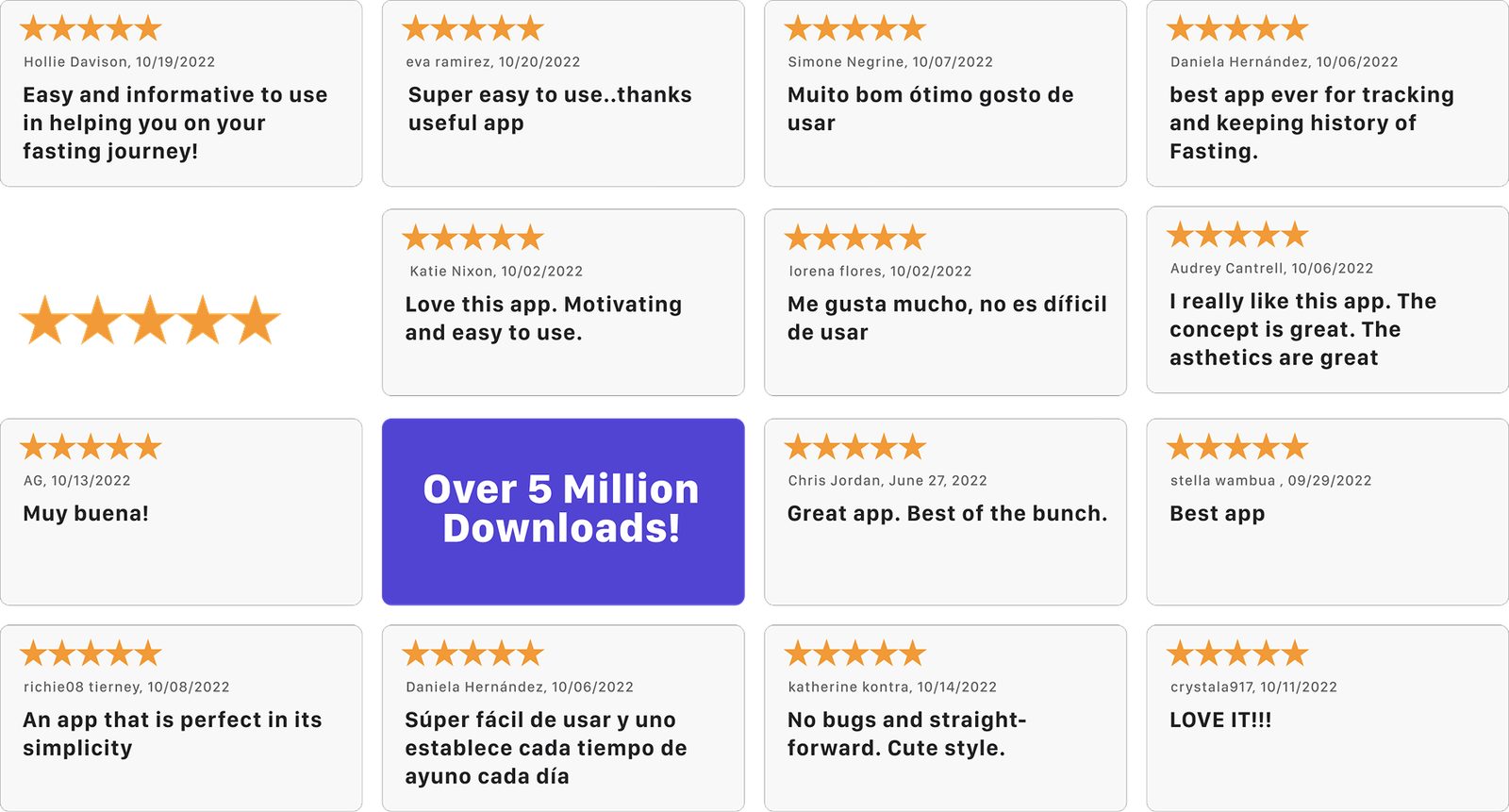
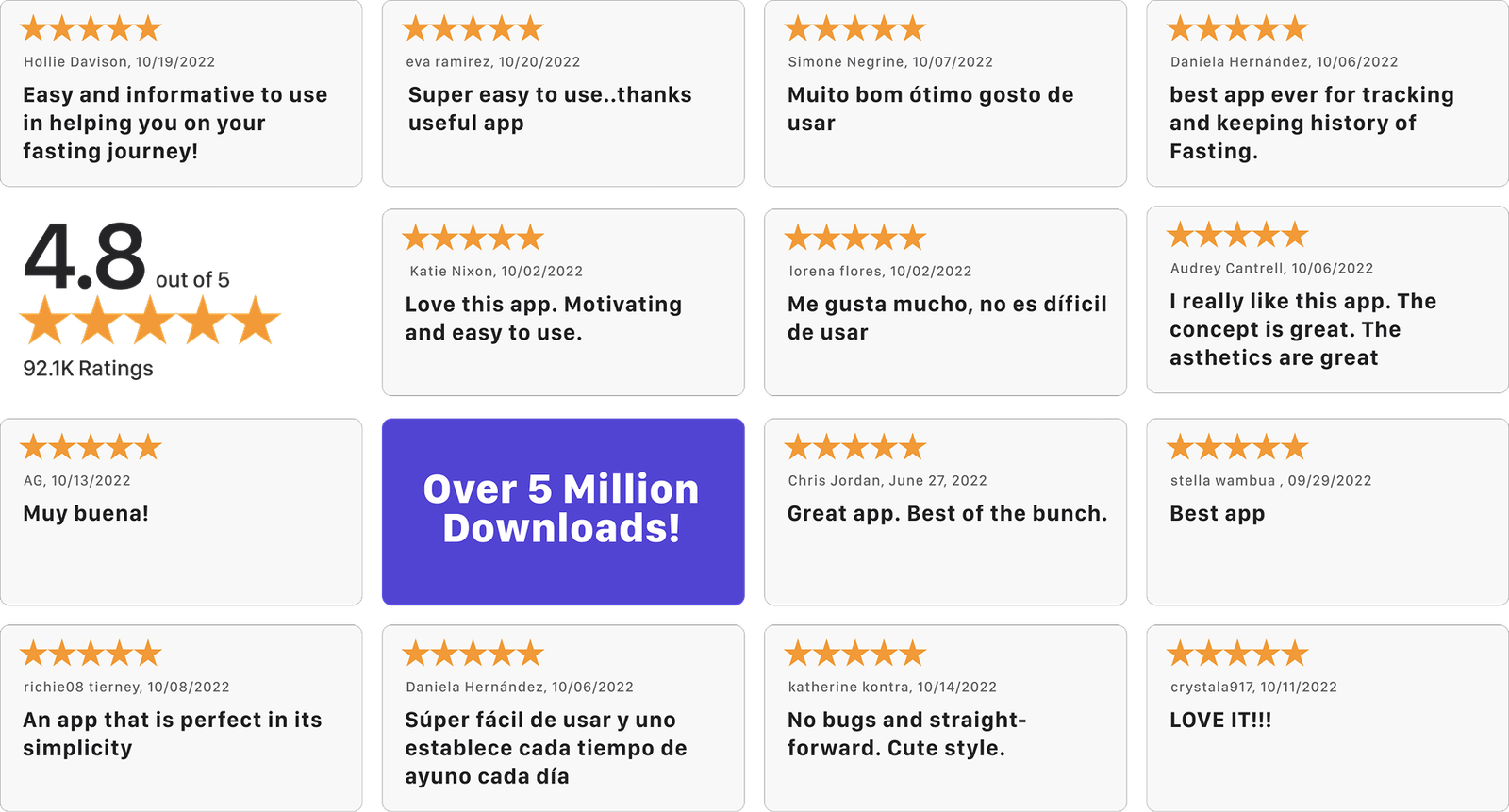
The results were evident in both product adoption and customer satisfaction. The app maintained a 4.8 out of 5-star rating across more than 90,000 reviews. In 2024, Fountain Life, a high-end, membership-based preventative healthcare and longevity company, acquired Lifeomic.

Solo Designer. Full-Cycle Accountability.
I worked in-house at LifeOmic as the sole mobile product designer, supporting a remote team of 18–25 front end and back end developers across four years of continuous product growth.
When I joined, the app's foundation was already in place, shaped largely by technical constraints rather than user needs. I took ownership of refining existing features and driving new initiatives forward, keeping engineering unblocked with a steady design queue so our technical teams could ship efficiently.

Balancing User Needs And Business Goals
UX Audit & Improvement
Conducted a holistic review of the app to spot UX debt caused by technical limitations, then prioritized the most critical improvements for maximum impact.
Feature Design Leadership
Led design on all new features from concept through delivery, owning wireframes, flows, prototypes, and final specs for development.
Developer Velocity
Kept a team of 18–25 developers fully loaded and moving by maintaining a ready, prioritized design queue at all times.
Data-Informed Decisions
Used analytics to surface friction points and designed targeted improvements backed by real user behavior.
Visualizing The Science Of Fasting
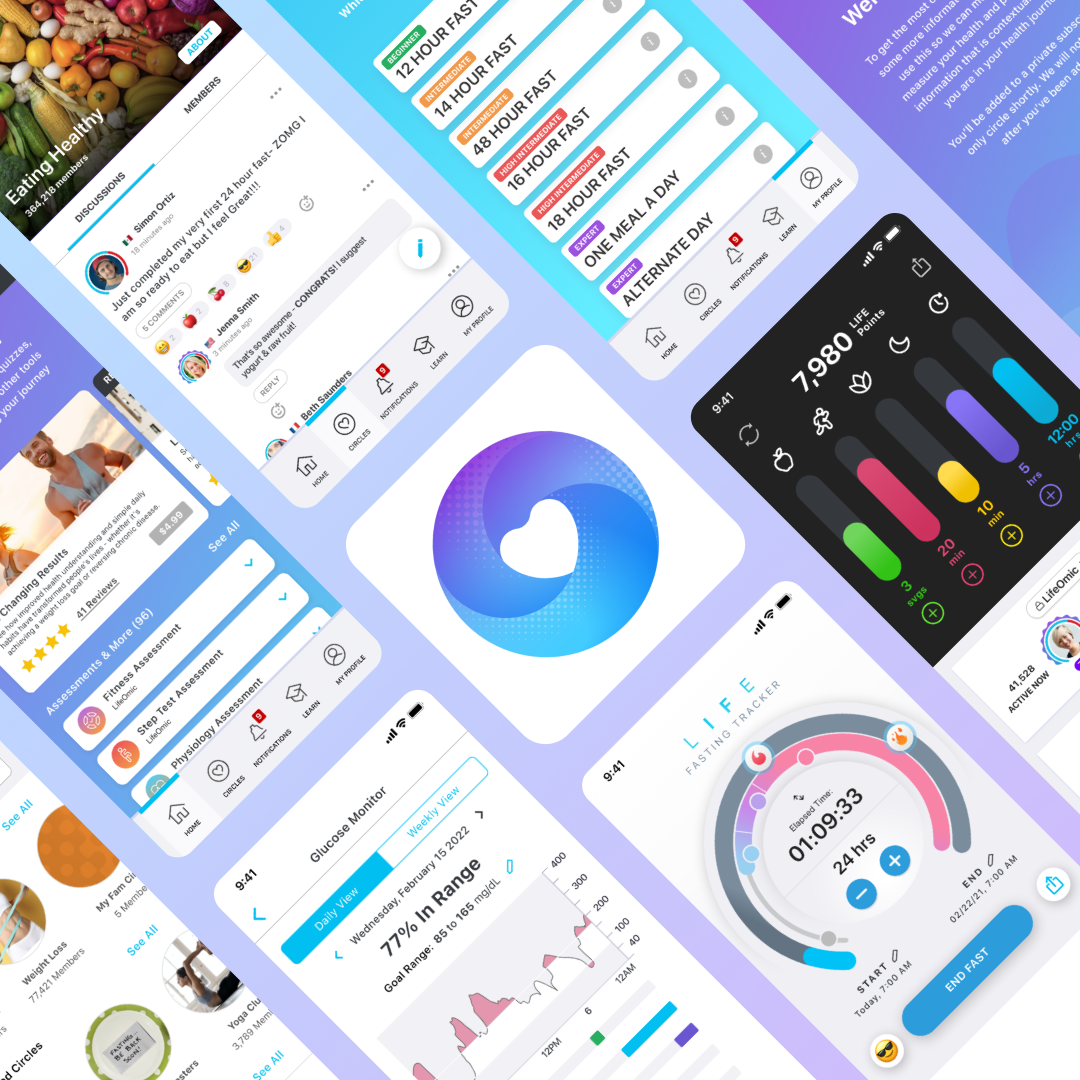
The LIFE Fasting App helps users adopt healthier habits through intermittent fasting grounded in precision medicine research.
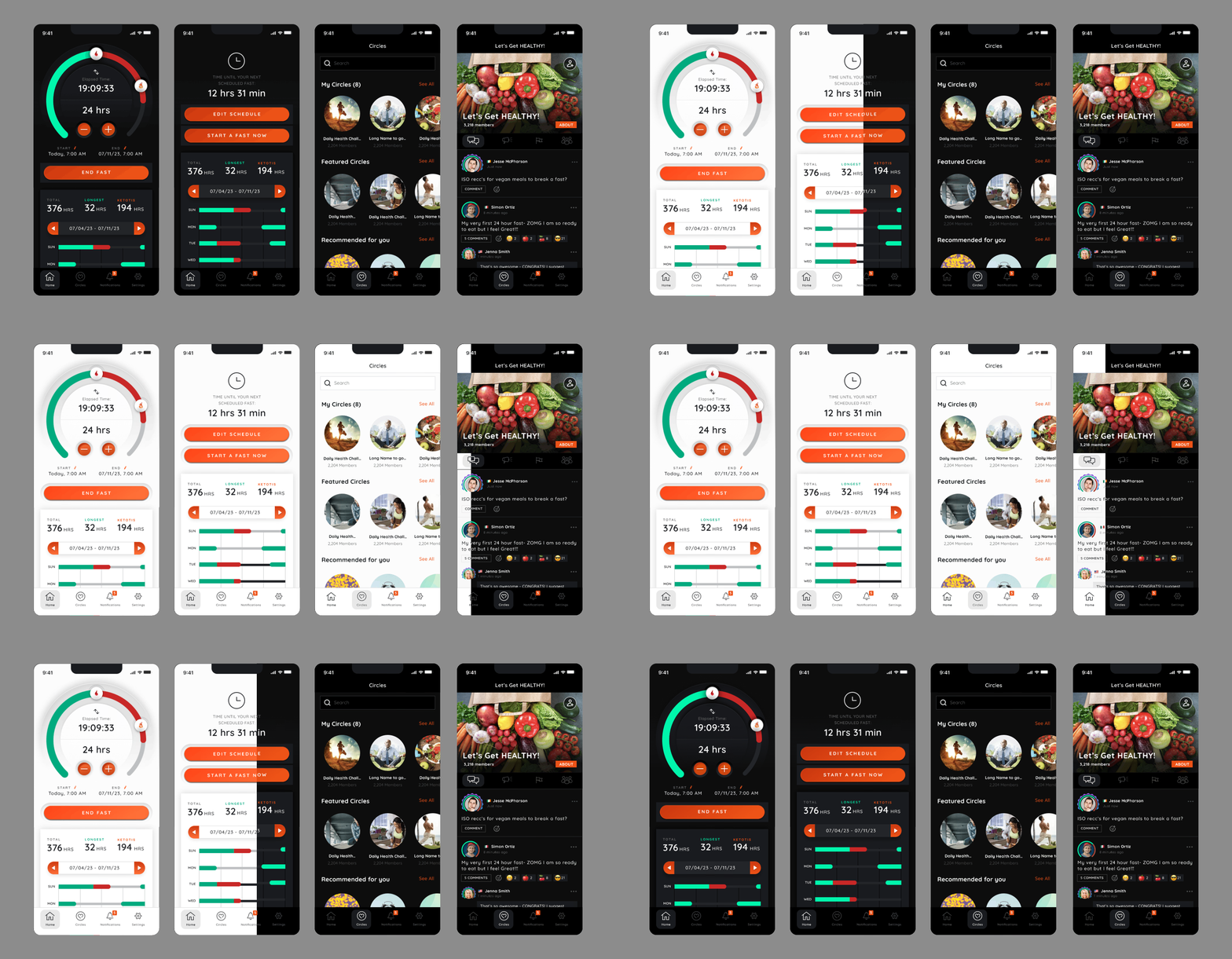
As the central feature of the experience, the fasting arc transforms simple countdown tracking into a guided health journey, helping users understand their progress, visualize key metabolic milestones, and stay motivated.
Tracking key health metrics to promote healthier lifestyles
Translating daily data into clear action helps users adopt habits designed to reduce chronic aging risks and optimize overall longevity.
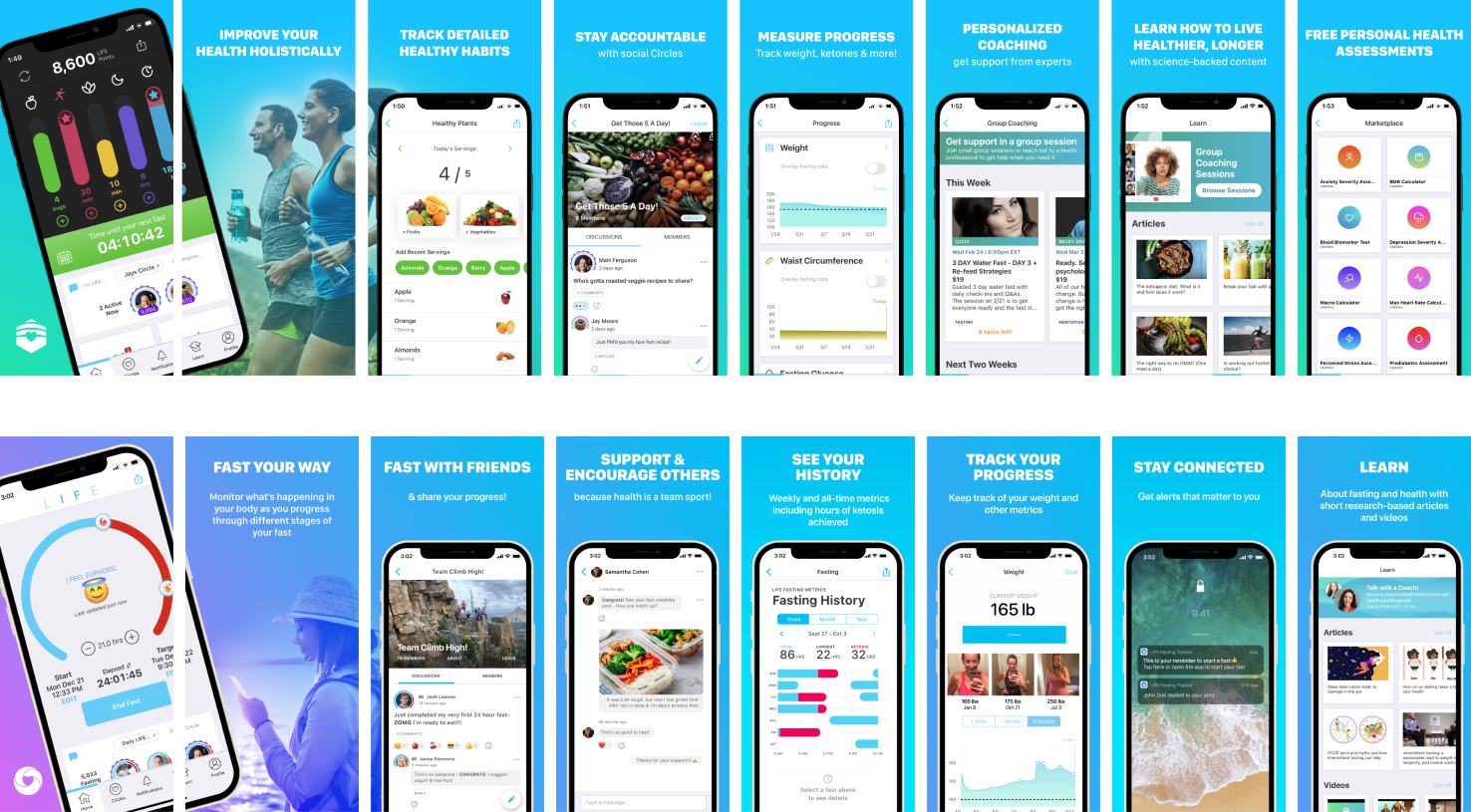
Users could monitor diet, activity, mindfulness, sleep, and fasting windows without needing multiple separate apps.
But the feature that set them apart from every other fasting app wasn't the tracking - It was the community that was built around it.
Social Support Was The Missing Ingredient
Every competing fasting app tracked the same data. None had invested seriously in the community experience around it.
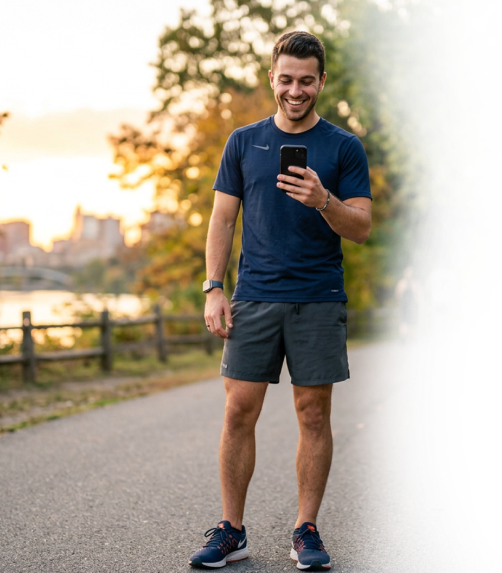
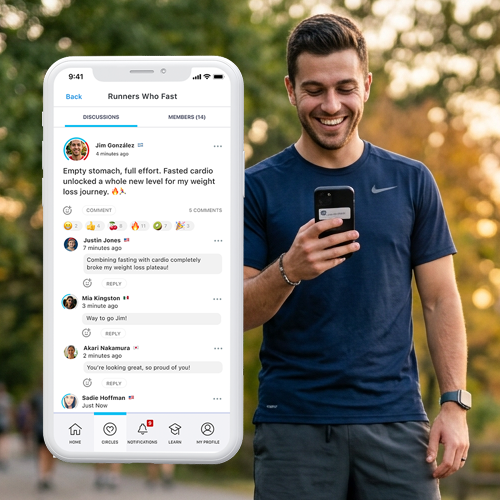
Health outcomes improve significantly when people feel supported by others on the same journey. By building a social layer within the experience, we created the product's core differentiator.
Users supported by a community stayed longer, hit their goals more consistently, and brought others with them. Engagement and adoption were the natural byproduct of getting that experience right.
Building A Fasting Community From Zero
I owned the complete lifecycle of the social layer. This spanned early research, wireframing, and high-fidelity design, along with cross-functional collaboration with engineering through testing, iteration, and post-launch maintenance.
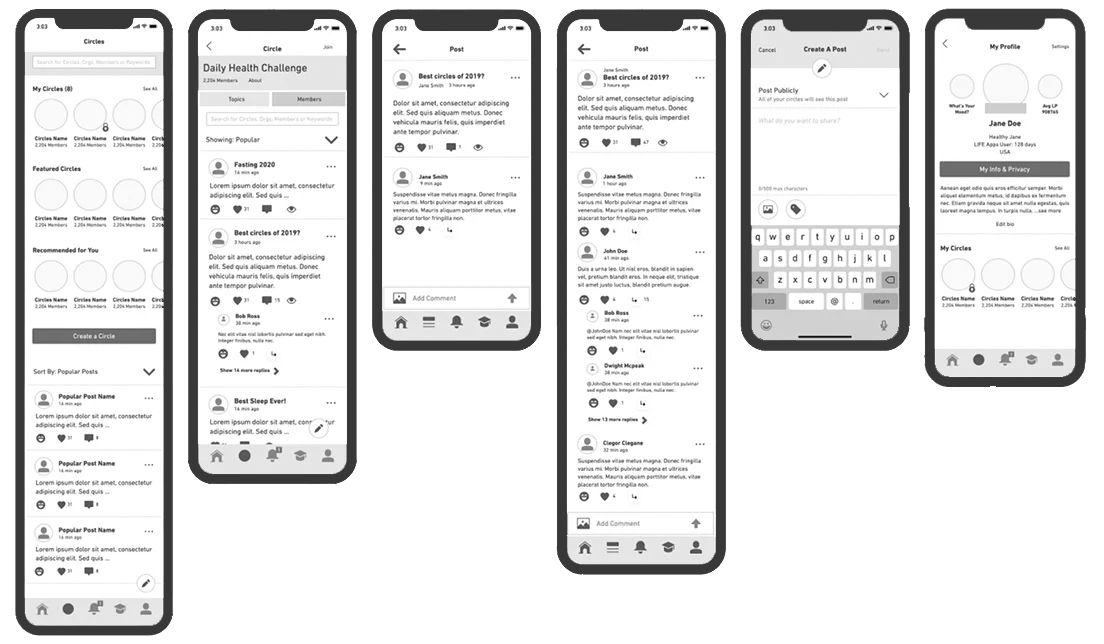
What Does A Fasting Community Actually Need That A General Social Platform Doesn't Provide?
This insight guided our entire direction: context-aware interactions tied directly to a user's current fasting stage, rather than a generic social feed.
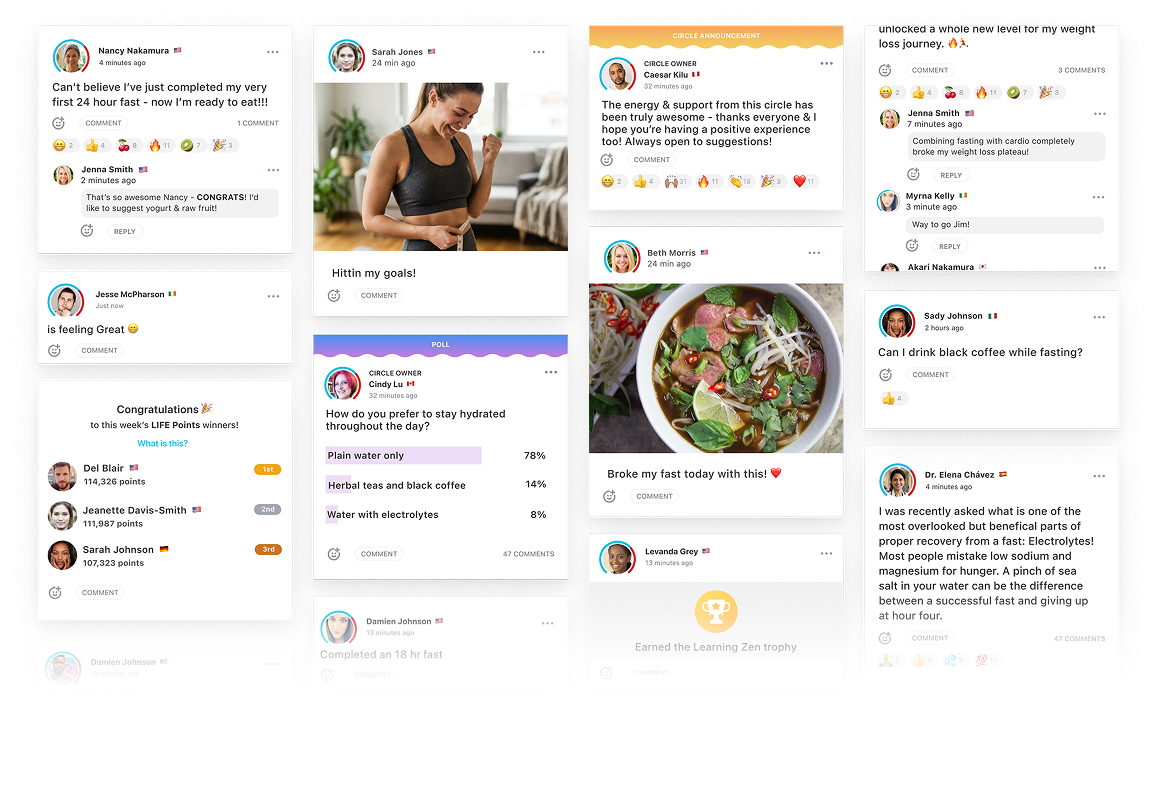
Designing The Circles Experience
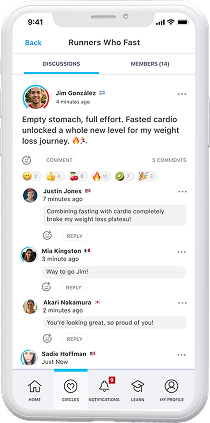
Designed the core community interface, establishing the visual system used for browsing, joining, and engaging with Circles.
The goal was to make group membership feel alive, not like a list. Avatar stacks, live member counts, and active fasting indicators all communicated momentum at a glance.
Getting users into a Circle early was critical to retention. I designed the onboarding flow to surface relevant communities before the first fast started, ensuring users arrived supported by a group rather than on their own.
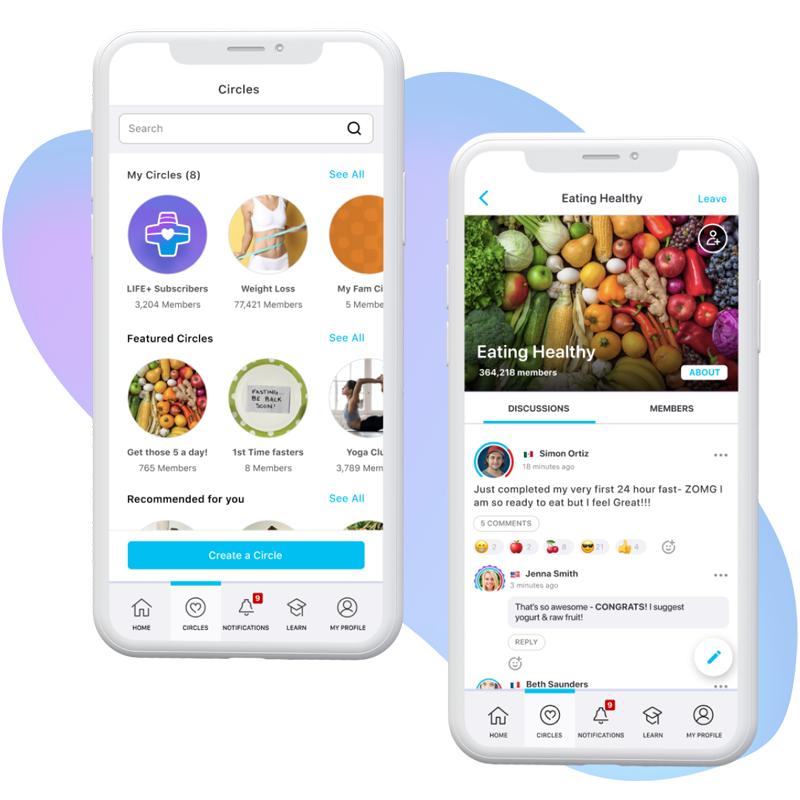
A Place For Support, Accountability, And Guidance
The result was a platform that gave the product a human layer that pure data tracking couldn't provide, turning individual health journeys into shared ones.
Users could join large public Circles organized around shared goals or create private groups to invite friends directly. Live fasting status was displayed on every profile, making it easy to see who was active in real time. Health professionals also joined as verified members, bringing expert guidance directly into existing community spaces.

Track Progress At A Glance
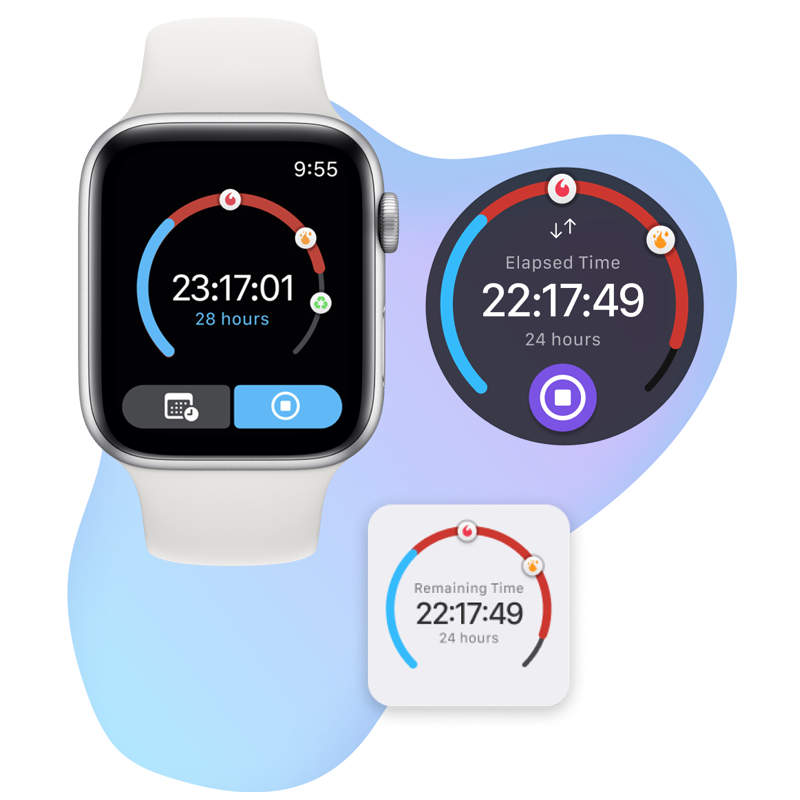
We listened to community feedback and built companion apps for Apple Watch and widgets.
We created a watch companion app so users could track their ongoing fasts at a glance, and a simple but useful interactive widget.
Uncovering Opportunities From Analytics
Good design doesn't stop at launch. We used analytics to give us insights into where users were struggling.
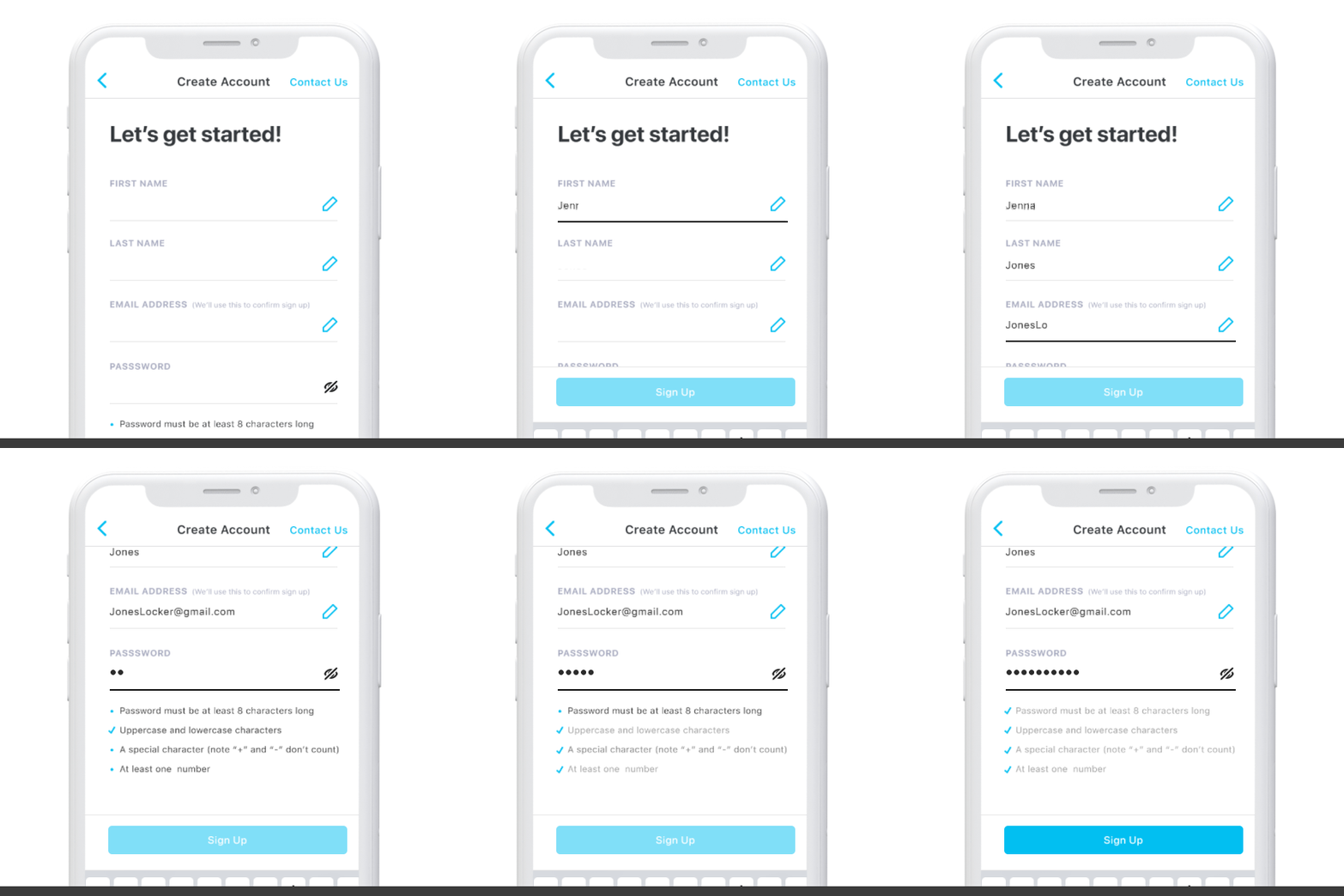
Data revealed a high drop-off rate during account creation, concentrated heavily at the password step. Inspection highlighted several clear issues: unnecessary form fields, ambiguous inputs, hidden password requirements that only surfaced after failure, unhelpful error messages, and a lack of support access from the screen.
We prototyped fixes, validated quickly, and shipped. Drop-off fell significantly.
While certainly an expert, Jay never came into design discussions with that mentality, but rather with an open mind always curious to hear what other people’s reactions and opinions were to the specific project at hand. This openness and curiosity set an amazing tone for what can often be opinionated discussions amongst design, product, and engineering…

People-first experiences drive real business results.
What made this engagement rewarding wasn't its scale, but hearing directly from users whose lives had genuinely changed. People who had struggled with consistency for years finally found a community that kept them accountable. That's the difference between designing for people and designing for engagement metrics.
What I Learned
I really enjoyed working with this talented team and working on a product that is helping people live better lives. Hearing from users how much of a difference using the app is making on their journey to better health and how they’ve improved as a result was invigorating and refreshingly awesome.